
 Holidays
  Cruises

 Flights
  Hotel Only
  Deals
Deals  Destinations
  Extras
 Experiences
 Travel information
 Help Centre
;img.crop(width:1080%2Cheight:608))
;img.crop(width:1080%2Cheight:608))
;img.crop(width:1080%2Cheight:608))
;img.crop(width:1080%2Cheight:608))
;img.crop(width:1080%2Cheight:608))
;img.crop(width:1080%2Cheight:608))
;img.crop(width:1080%2Cheight:608))
;img.crop(width:1080%2Cheight:608))


Capital
Ankara
;img.crop(width:1080%2Cheight:608))
;img.crop(width:1080%2Cheight:608))
;img.crop(width:1080%2Cheight:608))
;img.crop(width:1080%2Cheight:608))
;img.crop(width:1080%2Cheight:608))
;img.crop(width:1080%2Cheight:608)&fit=thumb&w=782&h=394&q=70&fm=jpg)
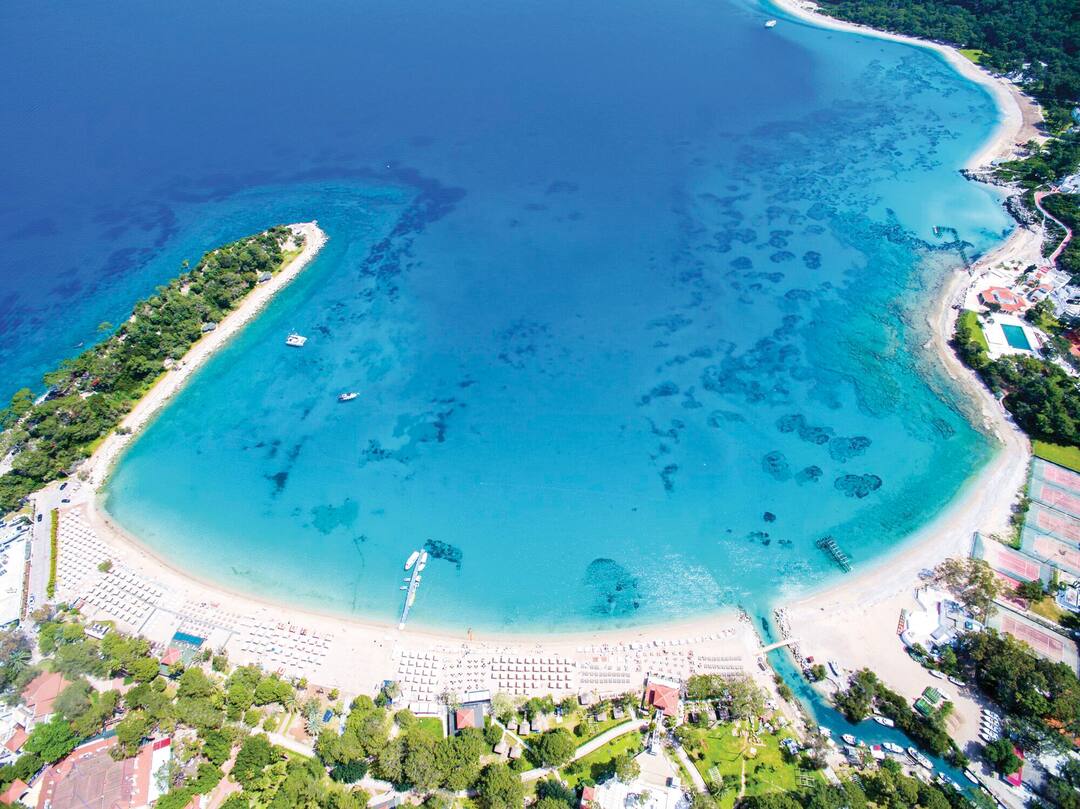
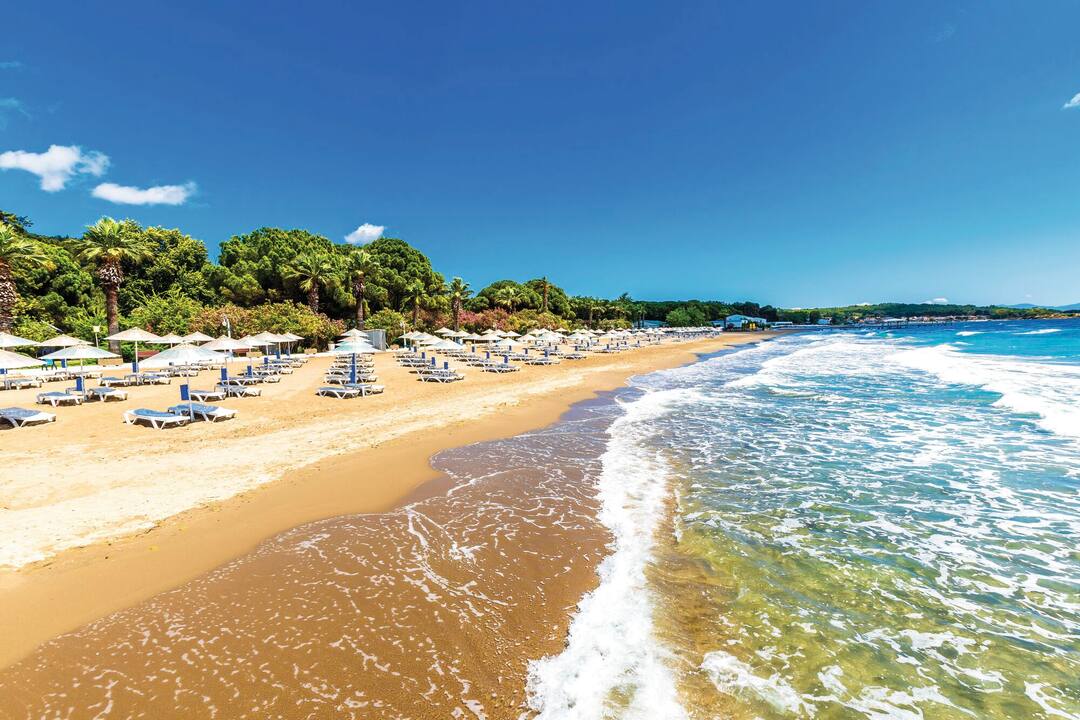
From the sweeping, sandy beaches of the Turquoise Coast to the bazaars of Istanbul, Turkey holidays bring together old and new. Browse elegant boutiques and explore ancient temples or spend time with the family on well-kept sandy beaches.
Turkey is full of destinations for both couples' escapes and family holidays. The Dalaman area is the gateway to the Turquoise Coast, with resorts providing easy access to well-known coastal landmarks such as the Blue Lagoon. Oludeniz mixes chill time with adventure, thanks to pastimes like paragliding and pirate ship boat trips – ideal for Turkey family holidays that focus on quality time together. By contrast, nearby Fethiye is busy and lively. Couples looking for luxury resorts should head to the Antalya area, in particular Side and Lara Beach. The Aegean Coast, including Bodrum and Izmir, is famous for its nightlife and beach-focused resorts.
If you’re looking for late-season sun or a spring break for sightseeing, Turkey offers year-round appeal. The Mediterranean climate ensures that Turkey in July and August is well-suited to beach holidays and watersports. Expect it to be around the low to mid-30°Cs, with plenty of sunshine. During April and May, temperatures hover around 20°C-24°C: ideal for some springtime sightseeing. Turkey in October is also appealing, with late-season sun and warm seas for diving.
Away from the Turquoise Coast, there’s plenty to see and do on a holiday to Turkey. Cappadocia holidays are famous for their hot air balloon trips over a dramatic landscape. Look out for the fairy chimneys and the towns carved into the cliffs. Pamukkale, which means ‘Cotton Castle’ in Turkish, is renowned for its white terraces and bright blue thermal pools. The Ephesus ruins near Kusadasi are home to fascinating, well-preserved Roman temples. For a unique urban setting, Istanbul city breaks let you straddle two continents and two cultures. Explore the spice stalls of the Grand Bazaar or take a guided tour of the famous Hagia Sophia.
Turkey's all inclusive, five-star hotels welcome visitors with their high standards and extra touches. Swim-up rooms and spa treatments make Turkey holidays a combination of indulgence and value for money. The country’s waterparks mean that families can have plenty of fun together, and kids’ clubs are common for younger guests.
Where can I find the latest travel advice?
All your questions about entry requirements, visas, passports or health information are answered on our Travel Advice page.
How long does it take to fly to Turkey?
Flights from the UK to Turkey take between three hours and 45 minutes and four hours, depending on which airport you fly from.
What is the time difference between the UK and Turkey?
Turkey is two hours ahead of the UK – so when it’s 9am here, it’s 11am there.
Which part of Turkey has the best beaches?
The Dalaman region on Turkey’s south-west coast – known as the Turquoise Coast – is home to Olu Deniz Beach and the famous Blue Lagoon, making it a great pick for fly-and-flop holidays.
When is a good time to visit Turkey?
If you want exclusive sun-and-sand time, the best time to visit Turkey is in July and August when the temperatures soar into the 30s. For a more explorer-friendly climate, try visiting in April or May when it’s cooler.
What are the most popular resorts in Turkey?
Some of the most popular include Antalya, Bodrum, Dalaman, and Izmir. Each offers its own unique blend of beaches, history, and local culture.
What are the must-see attractions in Turkey?
Turkey's must-see attractions include the Blue Mosque and Grand Bazaar in Istanbul, the ancient ruins of Ephesus, the white travertine terraces of Pamukkale, and the unique landscapes of Cappadocia with its famous hot air balloon rides.
Is English widely spoken in Turkey?
English is commonly spoken in major tourist areas, hotels, and restaurants. However, in more rural areas or smaller towns, English may be limited, so learning a few basic Turkish phrases can be helpful.
Which part of Turkey is best for a family holiday?
The Antalya region is excellent for family holidays in Turkey, offering a perfect blend of beautiful beaches, family-friendly resorts, and attractions. Antalya features numerous All Inclusive hotels with kids' clubs, waterparks, and entertainment. The Dalaman region is another great option, particularly around Marmaris and Icmeler, with calm waters and plenty of family activities. Side – in the Antalya region – combines beach time with fascinating ancient ruins that children can explore.
When is the best time to visit Turkey?
The best time to visit Turkey depends on what you're looking for. For beach holidays, July and August offer temperatures soaring into the 30s with minimal rainfall. Spring and autumn provide milder temperatures around 20-25°C – ideal for exploring ancient sites and cities. Winter’s cooler and rain’s more likely along the coast, but it’s a great time for visiting Istanbul with fewer crowds or enjoying ski resorts in eastern Turkey.
Do I need a visa for Turkey?
All your questions about entry requirements, visas, passports or health information are answered on our Travel Advice page.
Can I use my credit/debit card?
Credit and debit cards – especially Visa and Mastercard – are widely accepted in Turkey, in hotels, restaurants, larger shops and tourist areas. However, smaller establishments, local markets and rural areas may only accept cash. It’s advisable to carry some Turkish lira on you.
Is Turkey expensive?
Turkey is generally considered affordable for tourists, especially when compared to western European destinations. Your holiday in Turkey can be quite budget-friendly due to the favourable exchange rate between major currencies and the Turkish lira. Accommodation ranges from budget hostels to luxury resorts, with mid-range options offering good value. Street food and local restaurants are inexpensive, while tourist-oriented establishments charge more. Public transport is affordable and entrance fees to historical sites are reasonable. Shopping can be economical, especially in local markets where bargaining is expected.
Is there a tourist tax?
Currently, Turkey does not impose a specific tourist tax like some European countries do. When staying at hotels or resorts, the price you pay typically includes all applicable taxes.
Do I need any injections?
For the most current and accurate health information regarding travel to Turkey, please refer to our Travel Advice page.
Is Turkey classed as Europe for travel insurance?
Turkey's classification for travel insurance varies between providers.
How much money should I take for a week?
For a week in Turkey, your budget will vary based on your travel style. Budget travellers can manage on approximately £200 to £300 per week – 2,800 to 4,200 Turkish lira – excluding accommodation, to cover basic meals, public transport, and some attractions. Mid-range travellers should budget around £350 to £550 per week – 4,900 to 7,700 lira – for better restaurants, occasional taxis, and more activities. Luxury travellers are likely to need over £700 – 9,800 lira – per week for fine dining, private tours, and premium experiences. If you're staying at an All Inclusive resort, you'll need significantly less. Around £100 to £200 – 1,400-2,800 lira – for tips, souvenirs and activities outside the resort should be plenty.
How much is an average meal?
The cost of dining in Turkey varies widely depending on the type of establishment. In local restaurants – lokantas – you can enjoy a simple meal for around 150 to 250 Turkish lira, which is approximately £3.50 to £6. Mid-range restaurants typically charge 300 to 500 Turkish lira per person for a meal with a drink, which is around £7 to £12. Street food options like kebabs or pide – Turkish pizza – are even more affordable, usually costing between 80 and 150 Turkish lira, which is around £2 to £3.50. Prices in tourist areas and upscale restaurants in cities like Istanbul or Antalya will be higher than in less touristy locations.
Do you tip in Turkey?
Tipping is customary in Turkey, but not mandatory. It's appreciated for good service across various sectors of the tourism industry. The practice is more common in tourist areas than in smaller local establishments.
Can you drink alcohol in Turkey?
Yes, alcohol is legally available in Turkey.
What should I wear in Turkey? Do I need to cover up?
Turkey has a diverse dress code that varies by region and setting. In tourist areas and major cities like Istanbul and Bodrum, western-style clothing is common. For beach resorts, standard beachwear is perfectly acceptable. In general, comfortable, lightweight clothing is recommended during summer months, with layers for cooler evenings. When visiting mosques, both men and women should dress modestly. Women should cover their heads, shoulders, and knees, and wear clothing that isn't tight-fitting. Men should wear long trousers rather than shorts. Many major mosques provide appropriate coverings for visitors if needed.
Where should I go for a mix of history and beach?
Side is perfect for combining history and beach time, with ancient Roman ruins right next to golden sands. Bodrum Peninsula offers stunning beaches alongside the Castle of St. Peter and the Mausoleum at Halicarnassus. Fethiye features beautiful beaches near the ancient Lycian rock tombs and Tlos ruins.
Can I do a Cappadocia day trip?
A day trip to Cappadocia from coastal resorts like Antalya or Bodrum is technically possible but not recommended due to the significant distance. Cappadocia is located in central Turkey, approximately 550km from Antalya and even further from other coastal areas. Most tour operators offer overnight packages rather than single-day excursions.
Where’s the best place in Turkey for a romantic holiday?
For a romantic holiday in Turkey, consider Kalkan on the Turquoise Coast, known for its intimate atmosphere, boutique hotels, and candlelit rooftop restaurants overlooking the Mediterranean. Alternatively, Bodrum offers upscale resorts with private beaches and stunning sunset views, while Antalya combines beautiful beaches with historic charm. And for a unique experience, Cappadocia provides magical hot air balloon rides over its otherworldly landscape.
Can I drink the tap water?
It's generally not recommended to drink tap water in Turkey. While the water is chlorinated and may be safe in some areas, most locals and visitors prefer to drink bottled water. Hotels and restaurants typically serve bottled water, which is widely available and inexpensive throughout the country. If you're staying in self-catering accommodation, use bottled water for drinking and brushing teeth.
Will I be able to find vegetarian food in Turkey?
Yes, Turkey is very vegetarian-friendly. Traditional Turkish cuisine features many vegetarian dishes naturally. Look for mezze, like hummus, dolma – better known as stuffed vine leaves – patlıcan salatası – a type of eggplant salad – and çig kofte, which are bulgur wheat patties. Main dishes include various vegetable stews, borek – a type of savoury pastry – gozleme – a variety of stuffed flatbread – and imam bayıldı, which is stuffed eggplant. Most Turkish restaurants offer plenty of vegetarian options.
Do I need mosquito repellent?
Yes, it's advisable to bring mosquito repellent when visiting Turkey, especially if you're traveling during the summer months or staying near coastal areas, lakes, or rivers. Mosquitoes are most active during dawn and dusk, so having repellent handy for evening outings in popular Turkish destinations is recommended.
What should I pack for Turkey?
For Turkey, pack comfortable walking shoes for exploring historic sites and bazaars. Bring light, breathable clothing for warm weather, beachwear for coastal areas and hotel pools, along with sunscreen, sunglasses and a wide-brimmed hat. Include a headscarf and loose-fitting clothing for mosque visits, plus a light jacket for cooler evenings.
Where can I try local food in Turkey?
Traditional Turkish cuisine is widely available throughout the country. We recommend trying local restaurants outside your resort for authentic flavours. Look for dishes like kebabs, pide (Turkish pizza), and meze platters. Many resorts also offer Turkish nights featuring local specialties.
Should I tip in Turkey?
Tipping is appreciated in Turkey, though not always expected. In restaurants, rounding up the bill or leaving 5-10% for good service is common. For other services like taxis or hotel staff, small tips are welcomed but not mandatory.
Where are the best places to shop in Turkey?
Turkey offers diverse shopping experiences. You'll find traditional bazaars like the Grand Bazaar in Istanbul for unique souvenirs and crafts. Modern shopping centres are available in major cities and tourist areas. Many resorts also have on-site shops for convenience.
What's the nightlife like in Turkey?
Turkey's nightlife varies by location. In tourist areas like Bodrum and Istanbul, you'll find lively bars, clubs, and live music venues. Many resorts offer evening entertainment with shows and music. For a more traditional experience, try visiting a meyhane for meze, drinks, and local atmosphere.
What are the best beaches in Turkey?
In Turkey, Ölüdeniz offers a turquoise lagoon with calm waters and paragliding nearby, while Patara Beach stretches for miles with soft sand and ancient ruins. Kaputaş Beach sits in a cove with clear water, and Iztuzu Beach is a protected nesting site for sea turtles.
Are there any local customs I should know about in Turkey?
When visiting Turkey, it's polite to greet locals with a friendly "merhaba", meaning hello. When visiting mosques or religious sites, dress modestly by covering shoulders and knees, and remove your shoes before entering. In hotels, dress codes are typically more relaxed, but it's respectful to cover up when leaving the beach area.
What travel adapter do I need for Turkey?
When visiting Turkey, you'll need a European-style two-pin plug adapter for Type C and Type F sockets, which have two round pins. We recommend bringing a multi-plug adapter if you have devices with different plug types. Hairdryers, curling irons and other single-voltage appliances may need a converter.
Take a look at our best deals, add handy holiday extras, or keep looking for travel inspiration.